Most water heater trouble can wait for a scheduled visit. A few situations cannot, and knowing the difference protects both your home and your family. A tank that has split along a seam does not stop after emptying its own 40 or 50 gallons, because the cold supply keeps refilling it, so an unattended leak can send hundreds of gallons through flooring, drywall, and the rooms below. A temperature and pressure relief valve that keeps discharging is warning you that pressure or heat inside the tank has gone past its safe limit. Water at the faucet hot enough to scald usually points to a thermostat or gas control that has failed on the hot side. And any smell of gas near the heater is a safety event before it is a repair job. In Franklin, TN, these are the calls we treat as true emergencies.
Safety comes before the phone call to us. If you smell gas, get everyone outside immediately, do not flip light switches or unplug anything on the way out, and call your gas utility or 911 once you are clear of the house. Once gas is ruled out, close the cold-water shutoff on the line feeding the heater; if it is seized or hard to reach, shut the main water valve for the house. On a gas unit, turn the control knob to OFF. On an electric unit, switch off its breaker, and never touch the panel while standing in water. If the relief valve is discharging, leave it open and never plug its pipe, because that valve is the only thing keeping an overheated tank from failing violently. Then call (615) 237-6853 and our team will pick it up from there.
Our part of the job begins the moment you call (615) 237-6853. Whoever answers walks you through isolating the heater, confirms the leak has actually stopped, and gives you a realistic window for a technician instead of a guess. On site, we make everything safe first: water, gas or power, and venting. Then we diagnose. A failed relief valve, a leaking drain valve, a corroded supply fitting, or a burned-out element can typically be swapped before we leave because those parts ride on the truck. If the tank has rusted through, no repair will hold, and we tell you so plainly before walking through replacement choices. Homeowners across Franklin call us for exactly these moments.
Our most requested service is Water Heater Repair in Franklin. Either is a good place to start.
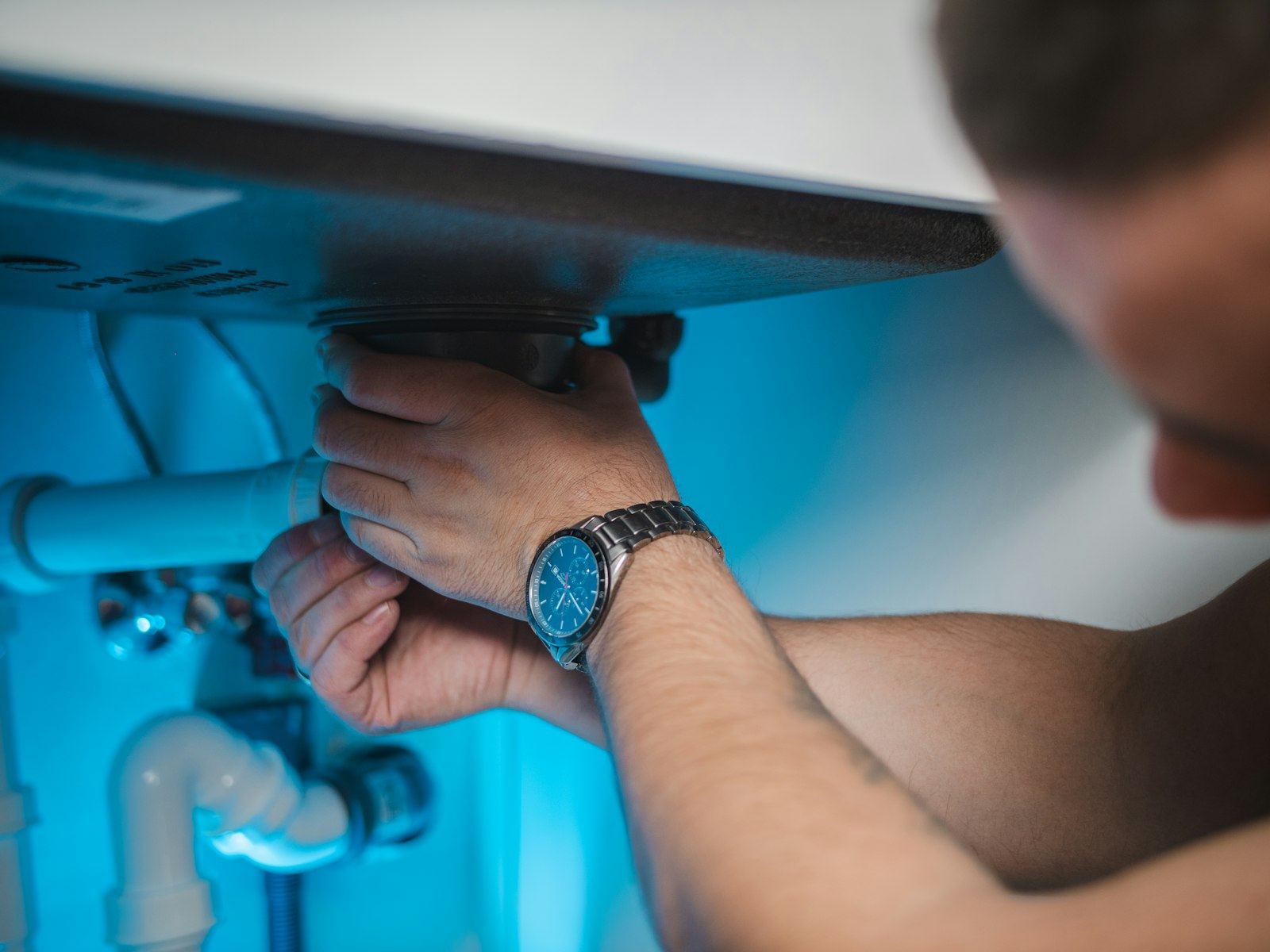
When to Call for Emergency Water Heater Repair
A heater that is starting to struggle rarely hides it for long, and the clues are easy to spot once you know them. If any of the following sound familiar, it's worth having the unit checked:
- A puddle under the tank that keeps growing
- Scorch marks, soot, or flames rolling out near the burner access on a gas unit
- Loud popping, banging, or rumbling from the tank that has gotten worse quickly
- Every tap running cold and the heater showing no signs of life
- The smell of gas near the unit, a situation that calls for evacuating and phoning the utility or 911
- An electric water heater that keeps tripping its circuit breaker
- Tap water hot enough to burn, even at the usual setting
- Water or steam coming from the temperature and pressure relief valve or its discharge pipe
Early Action Saves Money
Left alone, even minor symptoms like rumbling or temperatures that swing from hot to warm tend to mean the heater is working its way toward a breakdown. At the first hint of a problem, reach out to Franklin Water Heater at (615) 237-6853 and we'll take a look.
Talk to Us About Emergency Water Heater Repair
We'll diagnose the problem and give you a straight answer on the fix.
Call (615) 237-6853 TodayFrequently Asked Questions About Emergency Water Heater Repair
Why This Job Calls for a Pro
It is tempting to treat a leaking or dead water heater as a quick fix. In reality, you may be dealing with standing water beside 240-volt wiring, a gas supply and live burner a few inches from a puddle, and a tank of very hot water under pressure. The relief valve, if it is firing, is the last safeguard between an overheated tank and a violent failure, and plugging it is one of the most dangerous things anyone can do to a heater. Relighting a pilot while gas lingers, or forcing a rusted connection, can make things much worse. Evacuate for gas, isolate, then phone is the right sequence for anyone without the tools and training.
Why call a technician instead of improvising? Certainty and safe sequencing. We verify the shutoffs, check for gas leaks with proper tools, and confirm the area is safe for electrical work. Then we find the root cause. A discharging relief valve often means high street pressure or no room for thermal expansion; a puddle might be a drain valve, a dielectric fitting, condensation, or a failed tank; a cold house may trace back to a thermocouple, an element, or a tripped high-limit switch. Each one has a different fix. We repair what can honestly be repaired, and when the tank is the problem, we explain your replacement options clearly and without a hard sell.
Step by Step: How a Visit Works
Every visit follows a step-by-step method built around testing first and replacing parts only when the readings call for it. Here's exactly how a typical visit unfolds:
Make It Safe by Phone
We start on the phone: confirm there is no gas odor, help you close the cold supply and turn off gas or power, and talk through what to move out of the water's path.
Dispatch & Site Safety
You get a straight answer on timing, not a promise we cannot keep. Once on site, we check the shutoffs, the gas or electrical supply, and the vent before touching the heater itself.
Find the Failure, Fix It
The source gets pinpointed before any part is replaced. Relief valves, drain valves, connectors, thermocouples, and elements travel with us, so most fixes happen during the first trip.
Safe Restart
Restarting correctly matters. We fill the tank before power or gas returns, check fittings and the relief valve for leaks, verify draft on gas units, and leave the thermostat near 120F.
Simple Ways to Extend Your Water Heater's Life
A little routine care goes a long way toward keeping a water heater running well past its expected lifespan. Start with these practical measures our team relies on:
- Store chemicals and flammables far from the burner, and keep the area around the heater uncluttered
- Flush sediment from the tank yearly, since buildup overheats the bottom and speeds corrosion
- Test the T&P valve annually; a valve that sticks or weeps afterward should be replaced
- Put the heater in a drain pan piped to a floor drain or the exterior where the setup allows
- A 120F setting is safer for skin and easier on the heater than the hottest setting
- A simple water sensor on the floor beside the tank can warn you hours earlier
- Find and label the cold-water shutoff at the heater and the main house valve now, before you ever need them
Should You DIY or Call a Pro?
A few tasks, like checking the temperature setting or lifting the relief valve lever to test it, are fine for homeowners, but most water heater work involves gas lines, venting, 240-volt circuits, or a tank full of scalding water, and that belongs with a professional. Here's a comparison:
| Consideration | Doing It Yourself | Hiring a Pro |
|---|---|---|
| Gas Odor | Risk of ignition while investigating | Evacuate, utility clears it, then leak testing |
| Stopping the Leak | Unsure which valve to close | Shutoffs confirmed holding before diagnosis |
| Relief Valve | Discharge silenced without finding the cause | Pressure and expansion checked, valve replaced if worn |
| Electrical Hazard | Handling 240V near standing water | Circuit verified dead before any work |
| Diagnosis | Guessing between valve, fitting, and tank | Tested, not guessed |
| Result | Problem likely to return | Safe restart, verified dry and working |
Get Emergency Water Heater Repair Help Today
Every day a leak or a failing part goes unchecked puts more stress on the tank. Get Franklin Water Heater on the job today.
Call (615) 237-6853 TodayWhere We Provide Emergency Water Heater Repair
Our service area reaches well past the city limits. Choose your community for local details.