
A gas water heater is a refreshingly simple machine, which is part of why it lasts. A burner under the tank heats the water, exhaust rises through a flue that runs up the center of the tank, and a gas control valve on the front acts as both thermostat and safety shutoff. That valve only lets gas reach the burner while it senses a flame, through a thermocouple on standing-pilot models or a flame sensor on electronic ignition models. When something goes wrong, it is usually at one of those points. In Franklin, TN, we regularly find thermocouples that no longer hold the valve open, pilots starved by a lint-clogged flame arrestor screen, gas valves that have failed internally, and flue or vent problems that let exhaust spill back into the room.
Every gas water heater call starts with safety and then moves to testing. If there is a gas odor, leave the home first, call the gas utility from outside, and do not operate switches or try to relight anything. Once the area is safe, our Franklin technicians work through the heater systematically: millivolt readings on the thermocouple, a close look at the pilot and main burner flames, gas pressure at the control valve, a draft test to make sure exhaust is not spilling back, and a CO check around the appliance. Scorch marks at the burner access, rust flakes on the burner, and a lazy yellow flame each point to a different problem, and we chase down the right one.
Most gas water heater repairs are finished in a single visit. We replace thermocouples, flame sensors, pilot assemblies, and igniters, clean burners and flame arrestor screens, swap failed gas control valves, and correct vent connectors that have separated or lost their slope. We also flush sediment, the cause of that popping or rumbling sound and a major reason tanks overheat at the bottom and fail early. When the tank itself is leaking or the heater is deep into its service life, we tell you honestly and walk you through replacement. New installations are sized by first-hour rating, not just gallons, and include the right venting, a sediment trap on the gas line, an expansion tank where needed, and seismic straps and a drain pan where code requires them. Call (615) 237-6853 for gas water heater service in Franklin.
What homeowners call us about most is Water Heater Repair in Franklin and Water Heater Installation in Franklin. That's the place to start for most homes.
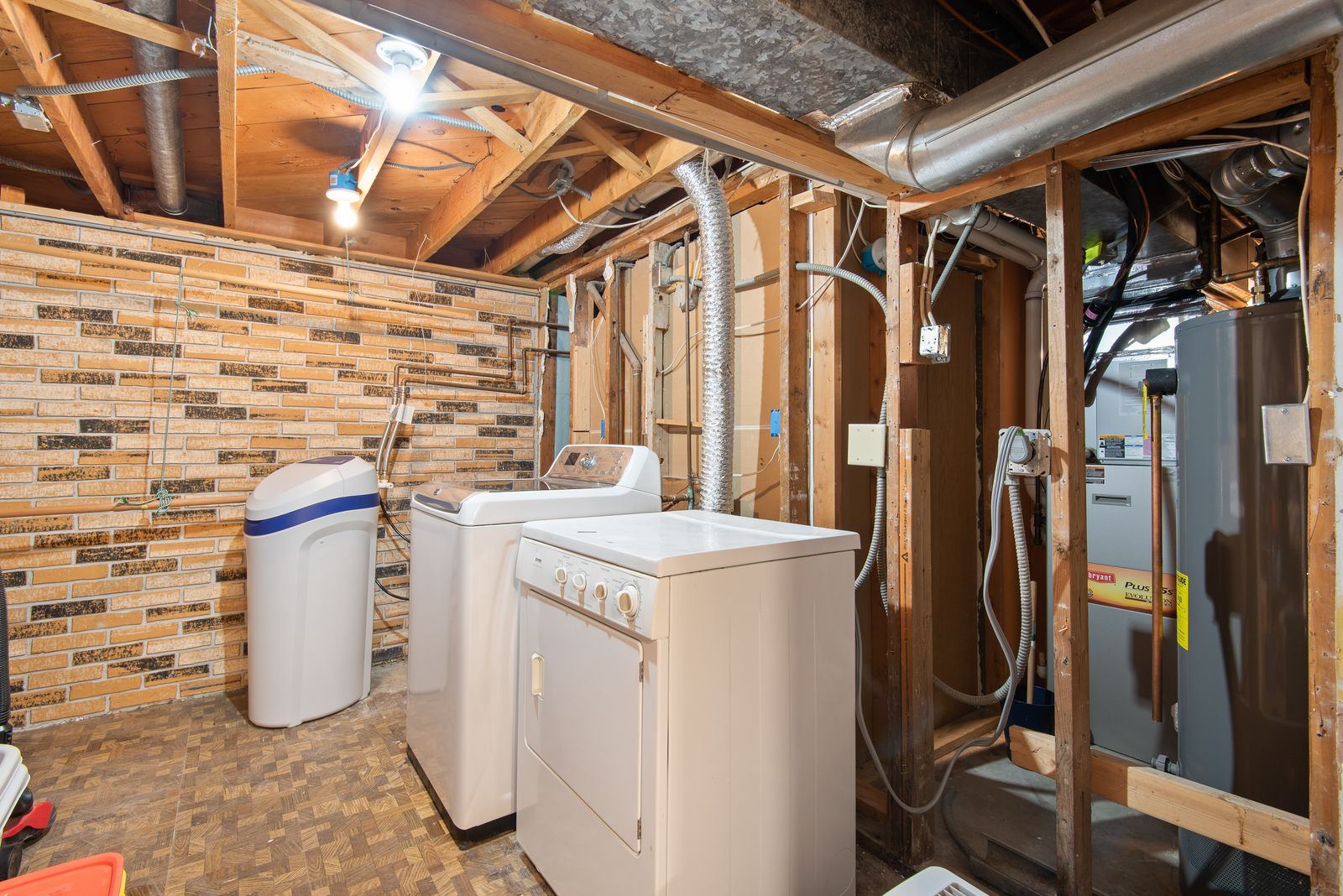
Symptoms That Mean It's Time to Call
Recognizing the warning signs early can save you money and keep a slow drip from turning into a flooded utility room. If any of the following sound familiar, it's worth having the unit checked:
- Signs of backdrafting, such as soot, condensation, or an exhaust smell at the vent
- Pilot outages that keep coming back after a relight
- Leaks at the drain valve, the fittings, or the bottom of the tank
- A faint gas or rotten-egg smell near the heater (leave and call the gas utility)
- Hot water that runs out faster than it used to
- A yellow, lazy, or sooty burner flame instead of a crisp blue one
- Loud rumbling from the bottom of the tank
- No hot water at all, with the burner never firing
Early Action Saves Money
A little rust-colored water or a relief valve that drips now and then can be the first hint of a tank that is close to the end. If you notice any of these signs, contact Franklin Water Heater at (615) 237-6853 for a prompt inspection.
Water Heater Trouble? Call Us.
Our experienced technicians are standing by to help.
Tap to Call (615) 237-6853Common Questions We Hear
What a Trained Technician Brings to the Job
Start with the hazards. Every gas water heater involves fuel piping, an open flame, and exhaust that contains carbon monoxide. A loose flare or threaded joint can leak gas, a vent that is disconnected or poorly sloped can spill exhaust back into the room, and a gas valve installed without a leak test is a risk you cannot see. Then there is the diagnostic side: a pilot that goes out can mean a weak thermocouple, a dirty pilot orifice, a clogged flame arrestor, a draft problem, or a failing gas valve, and replacing them one by one is slow and costly.
Our technicians approach gas heaters with instruments rather than assumptions. They measure thermocouple millivolts, read gas pressure at the valve, test draft at the hood, check for CO around the appliance, and leak-test every joint they touch. That process fixes the actual fault the first time and leaves your home safer than before. We also give you an honest assessment of the heater itself. A tank past about ten or twelve years with a failing valve or a leak is usually a replacement, and you will hear that from us before you spend money on a repair.
Step by Step: How a Visit Works
Good water heater work comes down to a consistent routine, and ours starts with a real diagnosis instead of a guess. Here's exactly how a typical visit unfolds:
Combustion & Component Testing
We start with a leak check and a carbon monoxide reading. Then we measure thermocouple output, inspect the pilot and burner, read gas pressure, and test the vent's draft.
Clear Answers & Upfront Price
The cause is explained in plain English, and the price comes first. When a repair would only buy a few months on a failing tank, we say so and lay out replacement options.
Expert Repair or Replacement
Common parts ride on our trucks, so most repairs are done in one visit. When a new heater is the answer, we handle the gas connection, venting, and required safety items.
Full Safety Test
A gas appliance is not finished until it is proven safe. We leak-test the connections, verify draft and flame, check for carbon monoxide, and set the temperature to about 120 degrees.
Water Heater Care Tips From Our Technicians
Routine maintenance is almost always cheaper and easier than an early replacement. Put these technician-approved steps to work at home:
- Keep the air intake at the bottom of the heater free of lint and dust
- Install carbon monoxide alarms on every level of the home and test them monthly
- Check the anode rod every three to five years, since it protects the tank from corrosion
- Flush the tank on a regular schedule so sediment never bakes onto the bottom
- Keep the area around the heater clear, especially of gasoline, paint, and solvents
- Watch for a loose, rusted, or sagging vent pipe above the heater
- Set the gas valve near 120 degrees, because hotter water costs more and can scald
Should You DIY or Call a Pro?
Some simple checks are fine to do yourself, but most water heater repairs benefit from professional tools, training, and experience. A side-by-side look:
| Factor | DIY Attempt | Hiring a Pro |
|---|---|---|
| Finding the Fault | Guess between pilot, valve, and draft problems | Millivolt, pressure, and draft tests find the cause |
| Gas Connections | No leak detection after the work | Connections checked with leak solution or a detector |
| Exhaust Safety | Vent slope and connections overlooked | Draft tested and CO measured |
| Code Compliance | Permit and inspection often skipped | Code items installed as required |
| Sediment & Tank Care | Tank condition never evaluated | Sediment flushed, anode checked |
| Outcome | Temporary fix at best | Root cause fixed and verified safe |
Let's Get Your Hot Water Back
Every day a leak or a failing part goes unchecked puts more stress on the tank. Get Franklin Water Heater on the job today.
Tap to Call (615) 237-6853Gas Water Heater Services Across the Franklin Area
Wherever you are in the area, the same experienced team shows up with the same parts and the same pricing. Find your community below.